
Understanding the science behind your nervous system is fascinating – but it can help you learn to have better control of it, and therefore be happier, more productive and more peaceful.
We have 3 sub systems within our central nervous system – the first, the autonomic nervous system, responsible for involuntary actions such as breathing, heartbeat.
We also have the Parasympathetic system, our rest and digest mode. – this is where homeostasis is controlled and balanced, circadian rhythms and balanced – therefore energy levels and sleep quality are higher, recovery between training is greater, things like blood sugar, and blood pressure are lower and more stable.
As humans we were designed to be in this parasympathetic state, more often than not. However, we also have our sympathetic nervous system, the part that is stimulus response driven – our fight or flight more – our survival instincts.
What I mean by that is, we have evolved with a mechanism to try and survive in life threatening situations.
So when we receive that stimulus, perceived as life threatening – usually pain, fear or stress, noradrenaline is released – a neural transmitter, which when activated for long enough, signals the release of adrenaline.
When Noradrenaline and adrenaline release together they bind with receptors in our peripheral tissues – causing our fight or flight response:
- Increased HR
- Increased muscular contractions
- Dilated pupils
- Vasodilation
- Decreased stomach movement
- Increase glycogen to glucose conversion.
Whilst these responses are okay for short periods of time – the problem arises when the sympathetic system is chronically over-active.
This is because too many stimuli within our hectic lifestyles put us into survival mode, increasing physical and mental stress. – things such as long and busy work hours, bills and mortgage payments, poor time management, high intensity workouts.
This chronic overactivation can cause some health risks – 75% of doctor visits are stress related.
- Cardiovascular problems – arterial hardening and heart attacks.
- Gastrointestinal issues.
- Immune weakening.
- Endocrine system issues: – Diabetes, sexual impotence, decreased longevity.
We understand that our Sympathetic system is needed, and we know that activating our parasympathetic system is incredibly difficult – but ultimately it comes to acute awareness of how you feel, and relaxation.
So, what can we do to activate our parasympathetic system?
- Diaphragm based Breathing activities, both post workout and at bedtime.
- Meditation
- Massages to relieve physical stress.
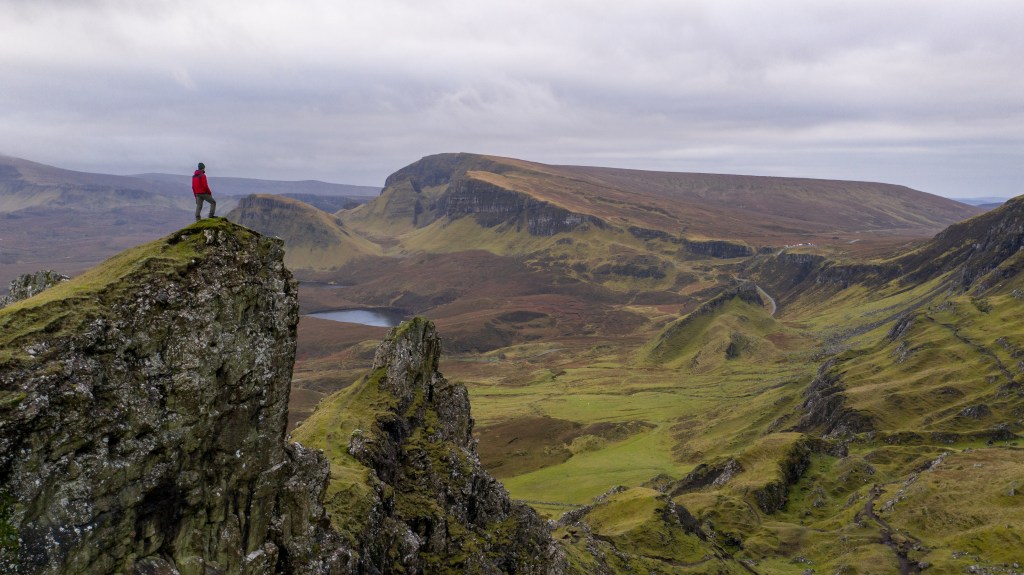
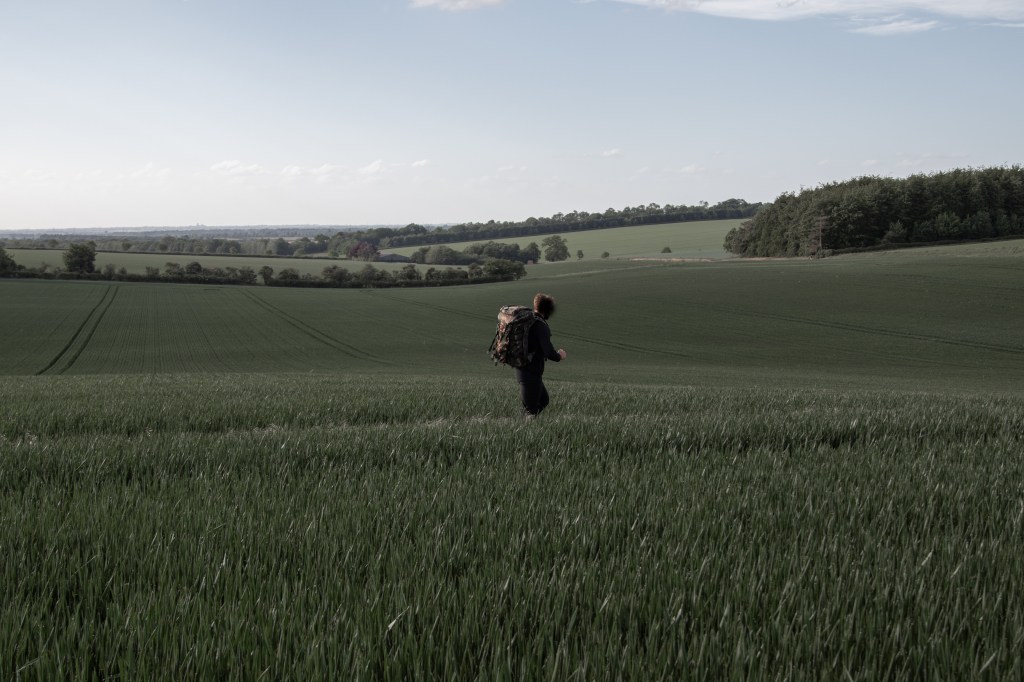
- Getting outside in nature – somewhere green.
The activation of our parasympathetic system is going to prevent the chronic activation of the sympathetic system and reduce the risk of the health risk associated with that.
Start dedicating some time each week, more importantly, each day, to relax and start seeing the benefits.




 Will Strathdee
Leave a comment