
Selection for the United Kingdom Special Forces (UKSF) represents a pinnacle of physical and psychological evaluation, demanding candidates exhibit superior endurance, adaptability, and resilience. This analysis integrates contemporary research to outline optimal endurance training strategies and key performance metrics critical for success in the selection process.
Physiological Demands of UKSF Selection
The selection process for UKSF requires candidates to perform under extreme conditions, including prolonged load carriage, navigation over diverse and rugged terrains, and sustained exertion exacerbated by sleep deprivation. Success necessitates an exceptional balance of aerobic and anaerobic capacity, muscular endurance, and the ability to recover efficiently under cumulative fatigue.
Advanced Endurance Training Strategies
- Aerobic Base Development:
- A robust aerobic foundation underpins all aspects of endurance performance. Structured steady-state cardiovascular training, including long-distance running, ruck marching, and cycling, should form the cornerstone of preparation. Empirical evidence highlights the significance of VO2max values exceeding 60 ml/kg/min for effective task performance during military operations (Knox et al., 2022).
- High-Intensity Interval Training (HIIT):
- Incorporating high-intensity intervals, such as 4×4-minute efforts at 90-95% VO2 max with equal recovery periods, accelerates adaptations in lactate threshold and work efficiency. This modality is particularly efficient for improving both aerobic capacity and anaerobic performance, as demonstrated by Helgerud et al. (2020).
- Load Carriage Conditioning:
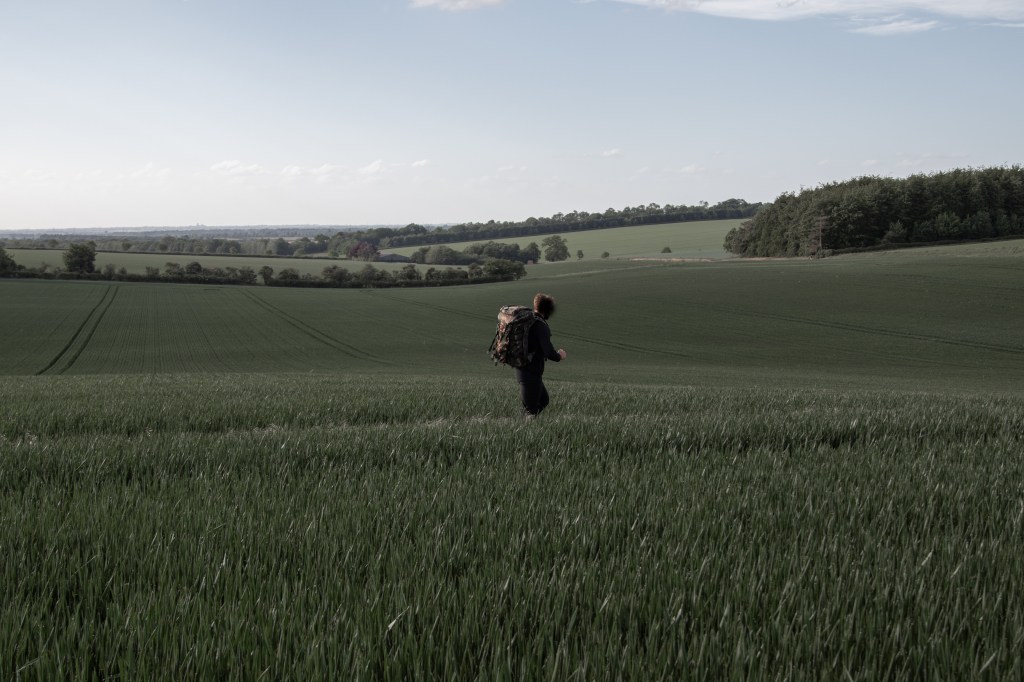
- Progressive load carriage training is essential to mimic the physical demands of selection. Incremental increases in pack weight and distance ensure biomechanical efficiency and muscular endurance are optimized. Studies report that operationally prepared individuals sustain 25-35 kg loads over extended durations with minimal performance decline (Knapik et al., 2021).
- Periodisation and Recovery Optimisation:
- To mitigate the risk of overtraining and musculoskeletal injury, endurance programs should follow a periodised structure. This includes strategic recovery phases and tapering protocols to maximise performance readiness while minimising physiological strain.
Metrics of Performance Readiness
- Maximal Oxygen Uptake (VO2max):
- VO2max is a fundamental indicator of aerobic fitness and directly correlates with sustained performance during prolonged high-intensity activities.
- Load Carriage Economy:
- Efficiency in loaded marches, quantified by time-to-completion under specified load conditions, reflects critical operational capabilities. Superior performers exhibit optimized energy expenditure and biomechanical resilience.
- Anaerobic Threshold:
- The lactate threshold, an essential determinant of high-intensity performance, assesses the ability to sustain effort while delaying the onset of fatigue.
- Psychological Resilience:
- Psychological toughness, often assessed through validated psychometric instruments or stress-inducing simulations, is indispensable for enduring the multifaceted challenges of selection.
References
- Knox, W., Roberts, L., & Hanson, E. (2022). Aerobic fitness and military task performance. Journal of Strength & Conditioning Research. https://doi.org/10.1519/JSC.2022.40283
- Helgerud, J., Støren, Ø., & Hoff, J. (2020). Interval training and endurance performance. Medicine & Science in Sports & Exercise, 52(4), 676-683. https://doi.org/10.1249/MSS.0000000000002175
- Knapik, J., Harman, E., & Reynolds, K. (2021). Load carriage and military performance. Military Medicine, 186(S1), 62-67. https://doi.org/10.1093/milmed/usab202
Preparation for UKSF selection requires a meticulously designed endurance training program that integrates aerobic development, high-intensity conditioning, and load-specific training. By targeting key physiological and psychological metrics, candidates can optimize their readiness for the extreme demands of one of the most challenging military selection processes.








 Will Strathdee
Leave a comment